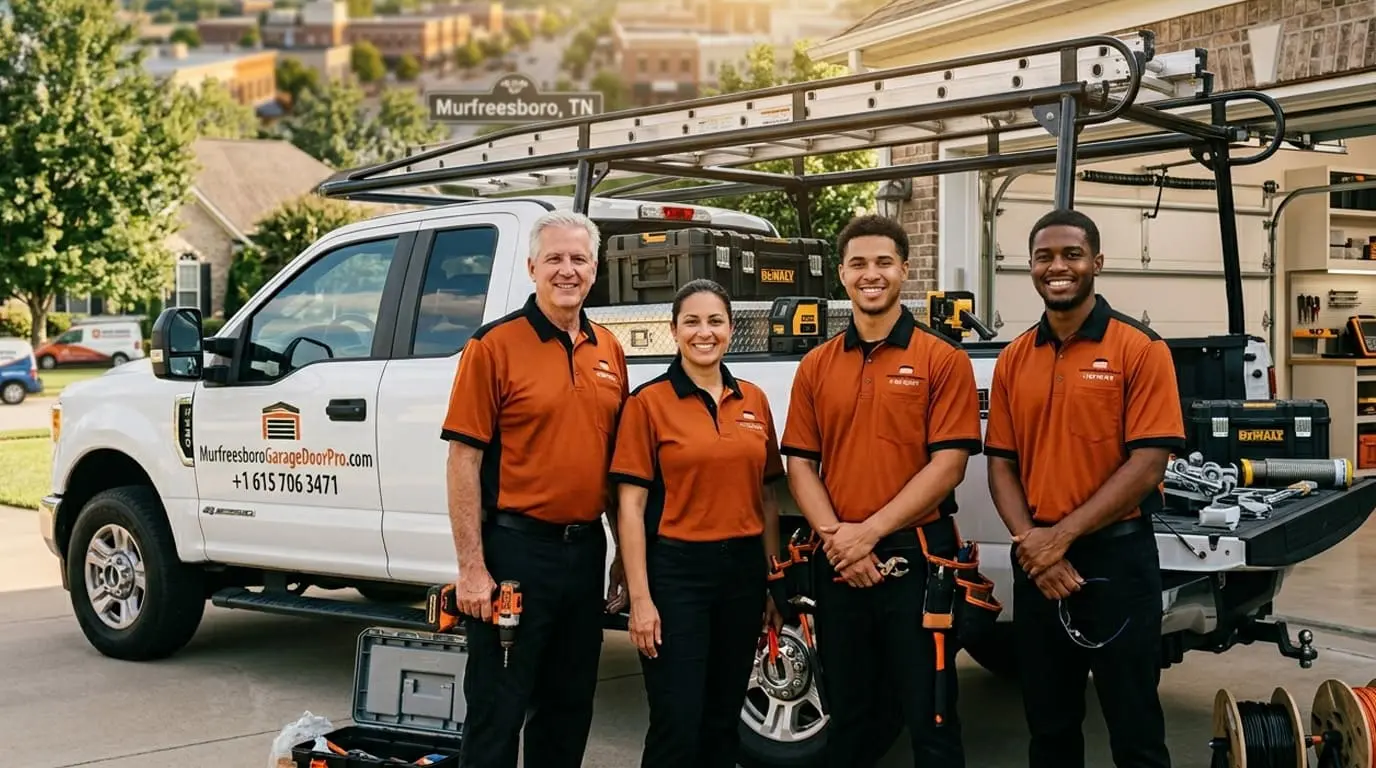
Garage Door Repair Murfreesboro, TN
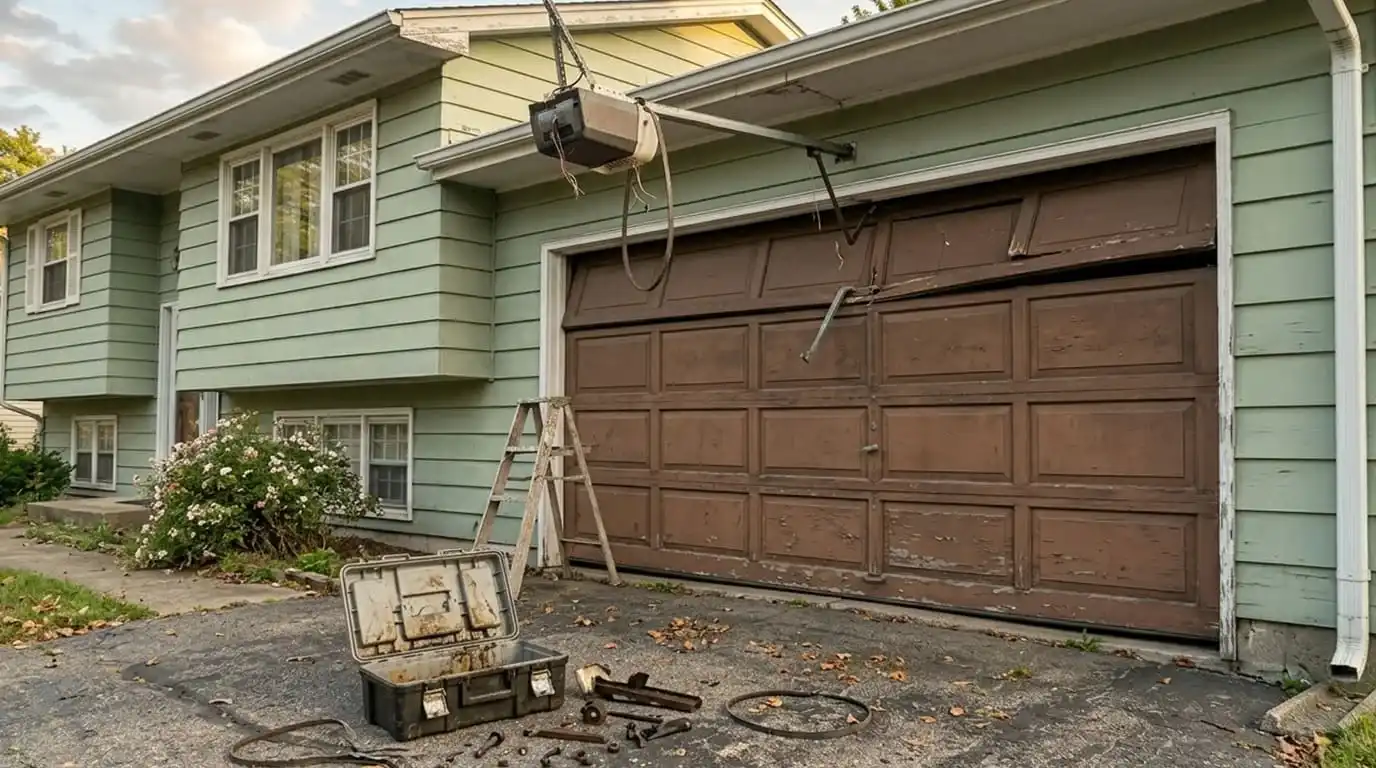
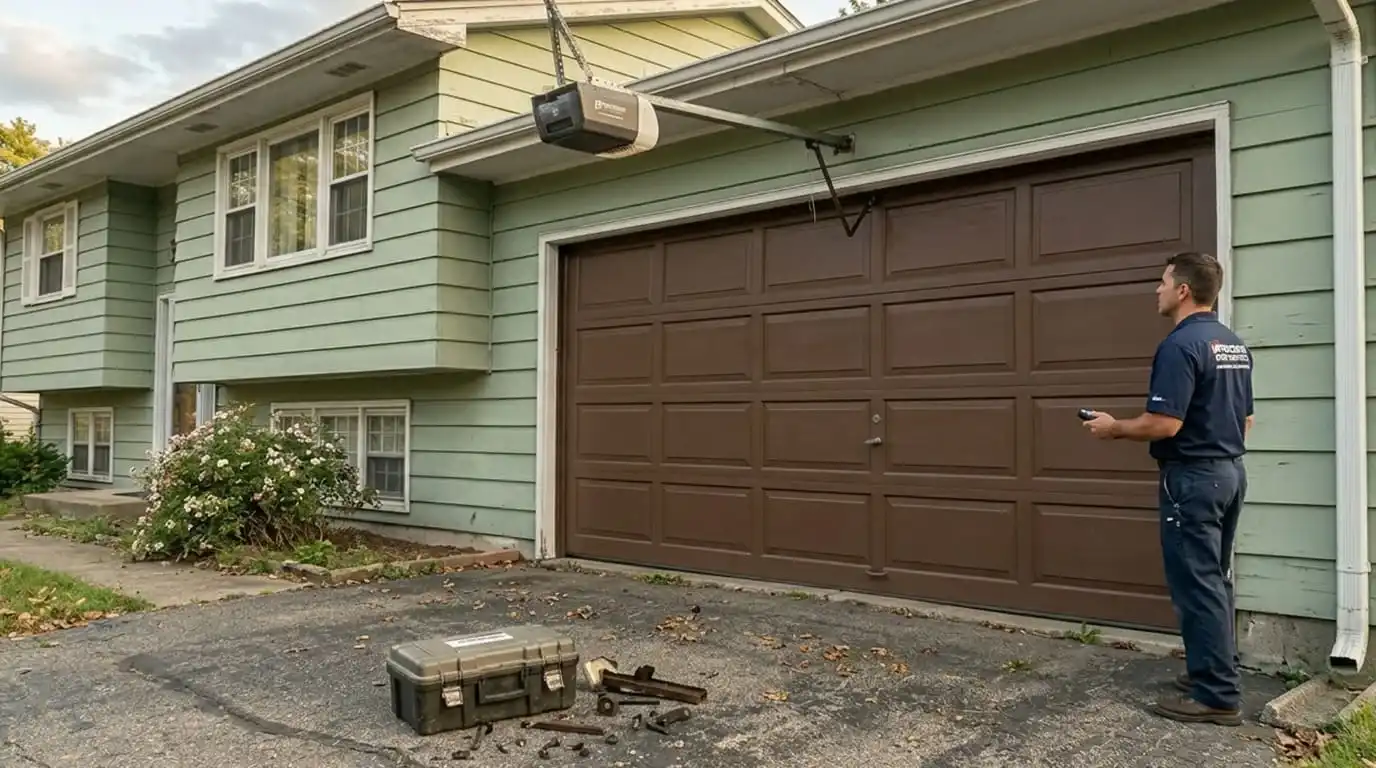
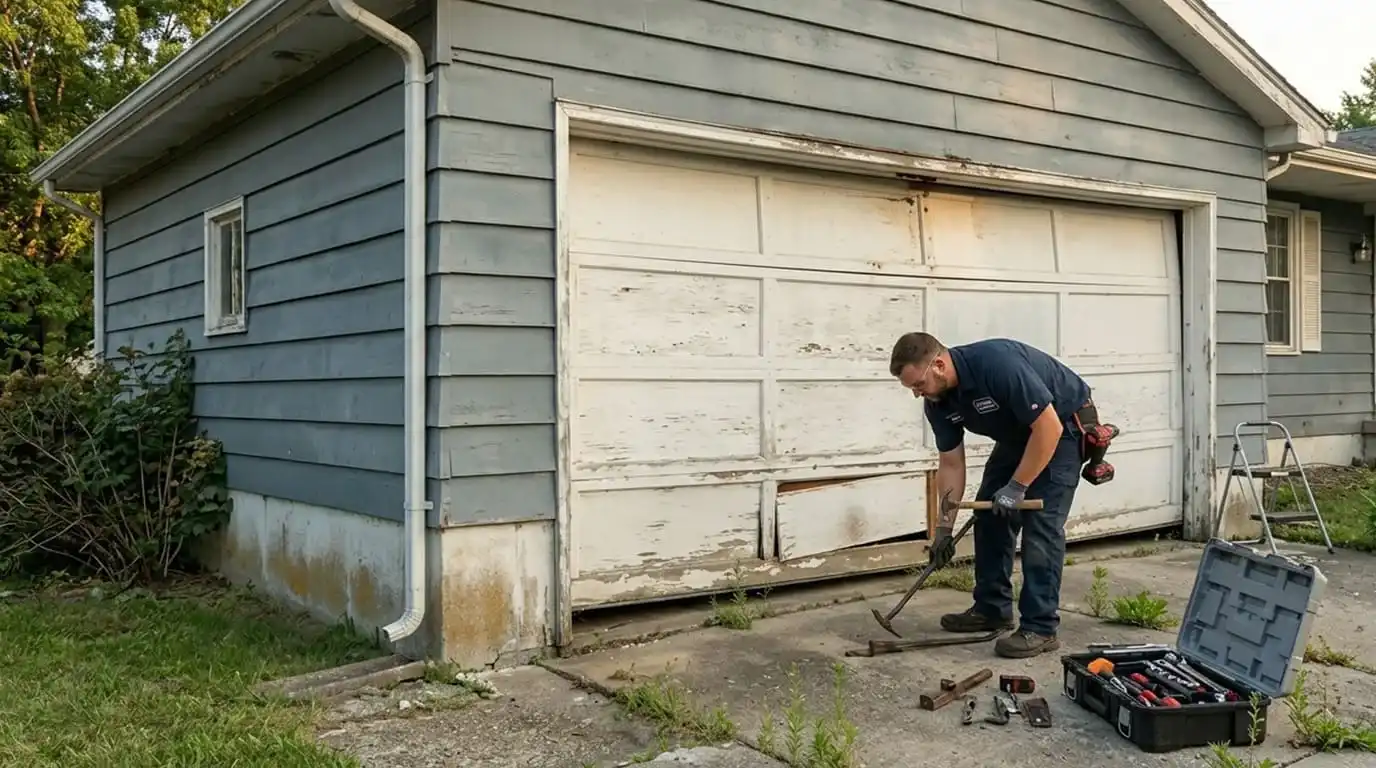
Need garage door repair in Murfreesboro, TN? Murfreesboro Garage Door Pro repairs broken springs, faulty openers, off-track doors, and damaged panels, and handles full garage door installation and replacement, for homes and businesses throughout Rutherford County. Every price is confirmed before we touch your door, in writing, no exceptions. Call (615) 706-3471 for a free estimate and same-day scheduling.
Service area: Murfreesboro, TN 37127, 37128, 37129, 37130, 37132, and all of Rutherford County.
Who Should You Call for Garage Door Repair in Murfreesboro?
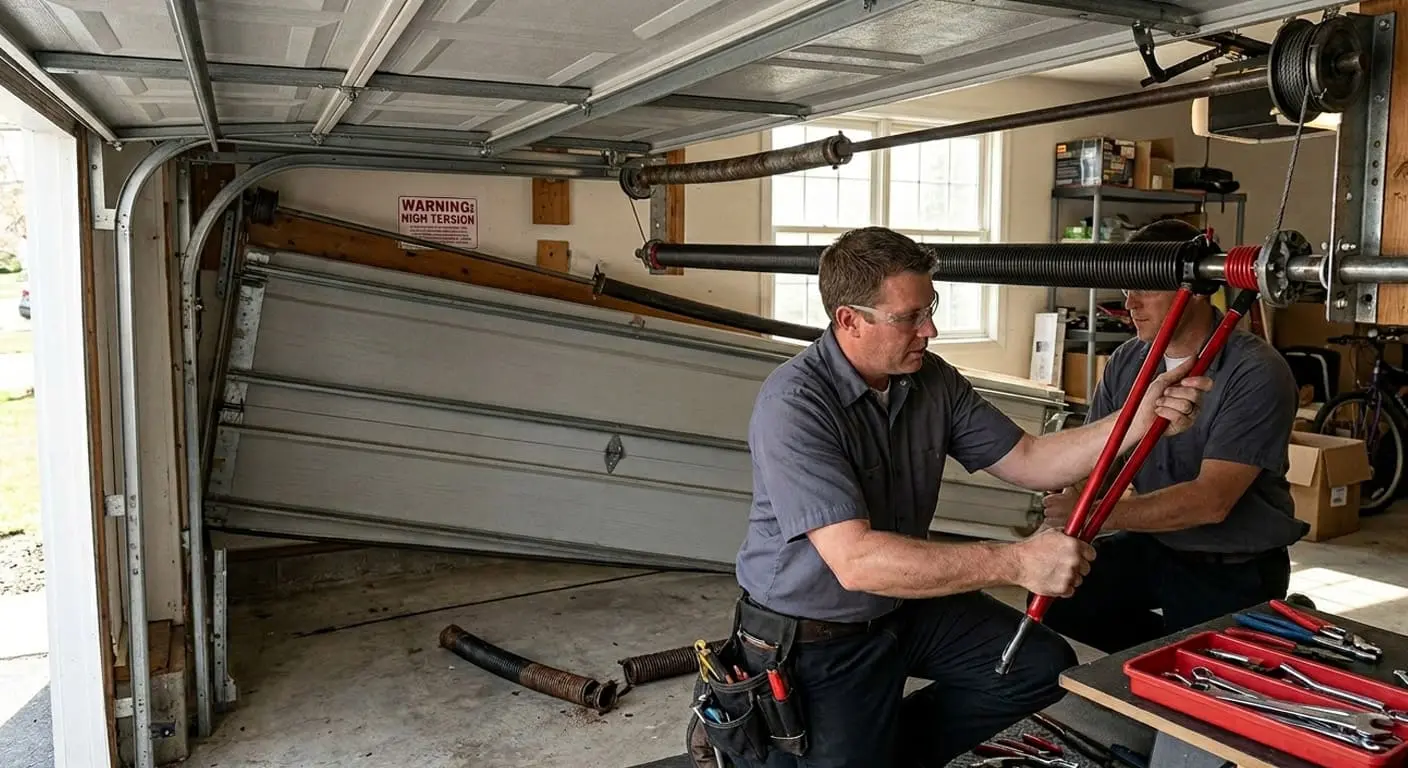
You want a local team that diagnoses the real problem before quoting a price, not a call center that dispatches whoever's available. Murfreesboro Garage Door Pro technicians are trained on every major system, including torsion spring and extension spring setups, belt-drive, chain-drive, and screw-drive openers, and both residential and light commercial doors. We carry the parts behind most repairs on every truck, so the technician who diagnoses your door is usually the same one who fixes it, in the same visit.
Talk to a Local Technician TodayWhat Does Murfreesboro Garage Door Pro Actually Do?
 New Installation
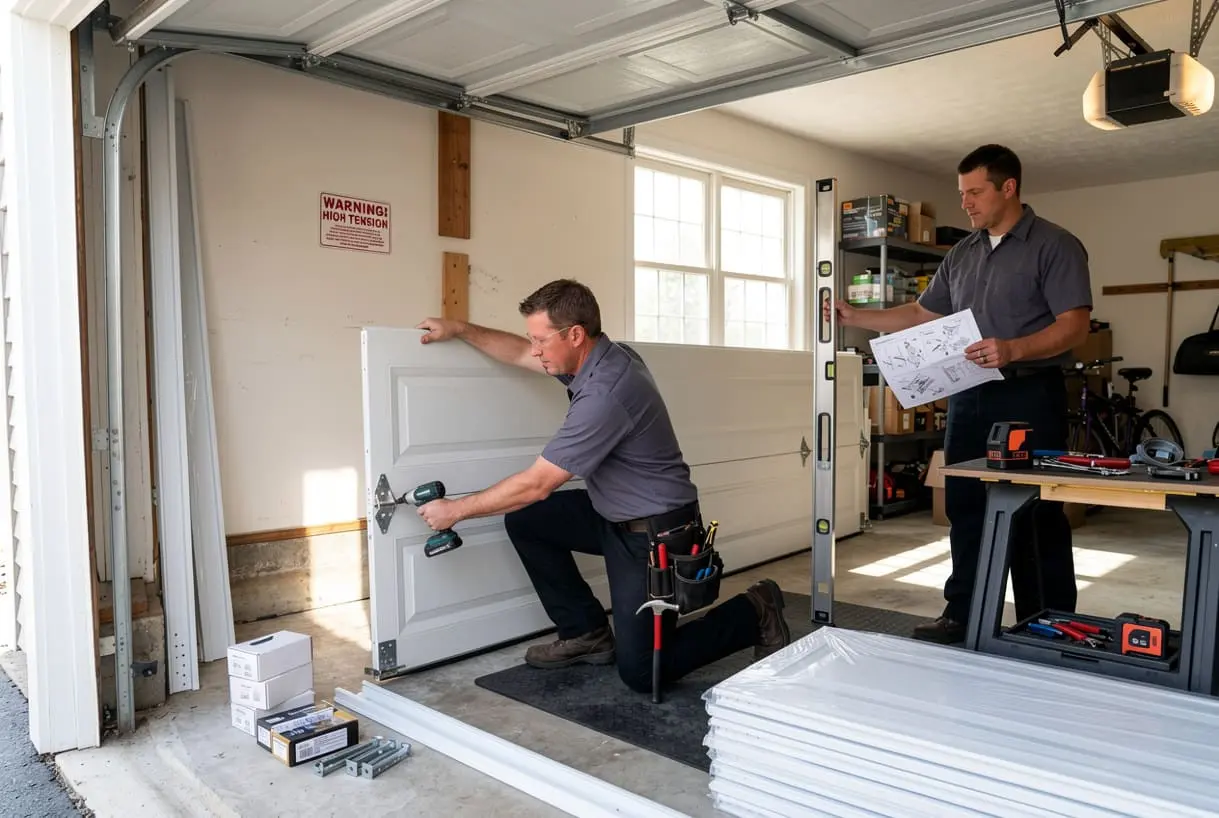
Garage Door Installation
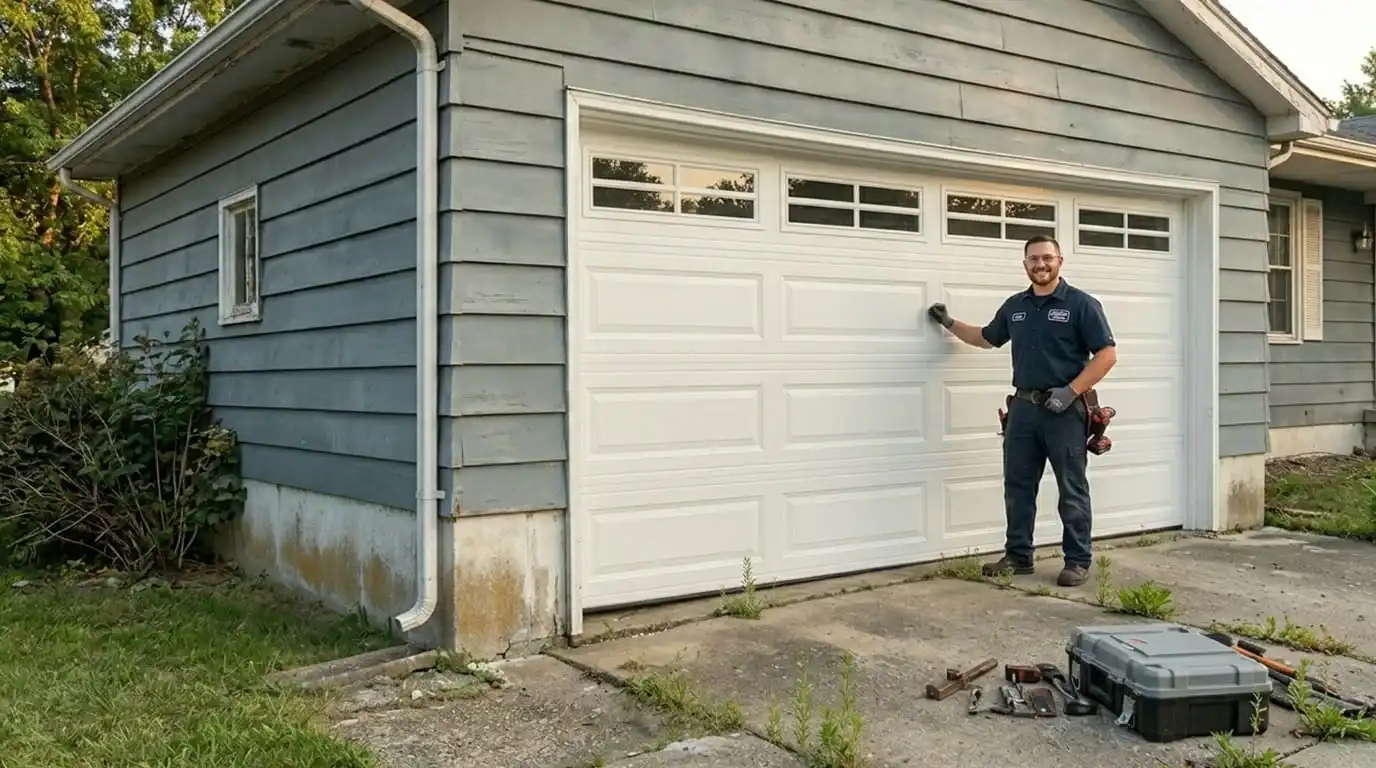
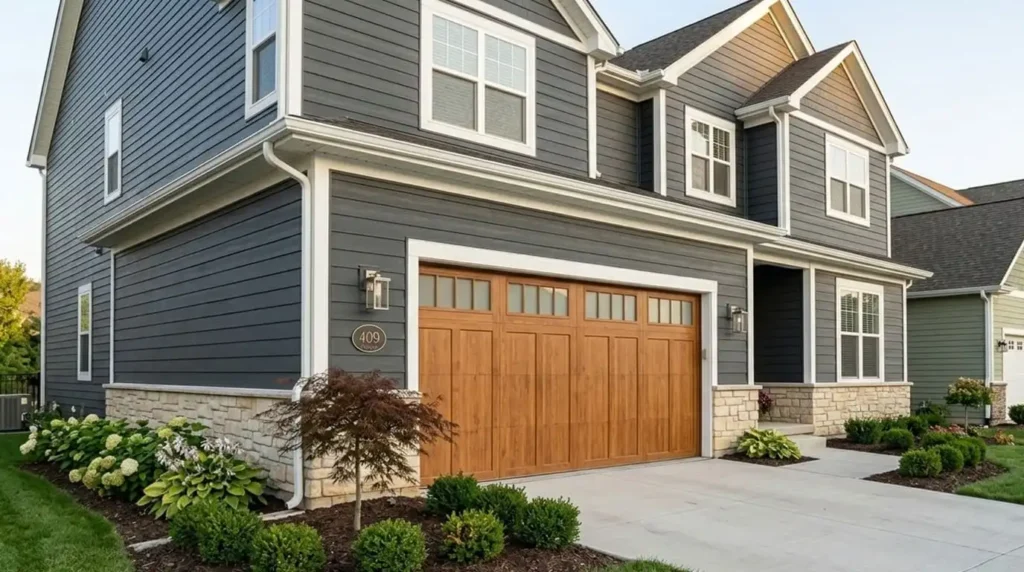
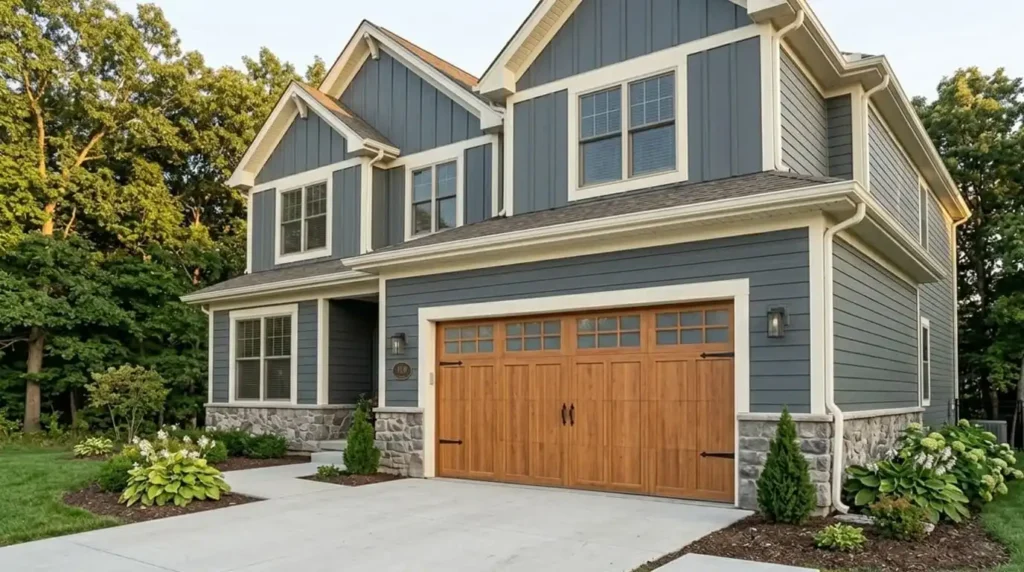
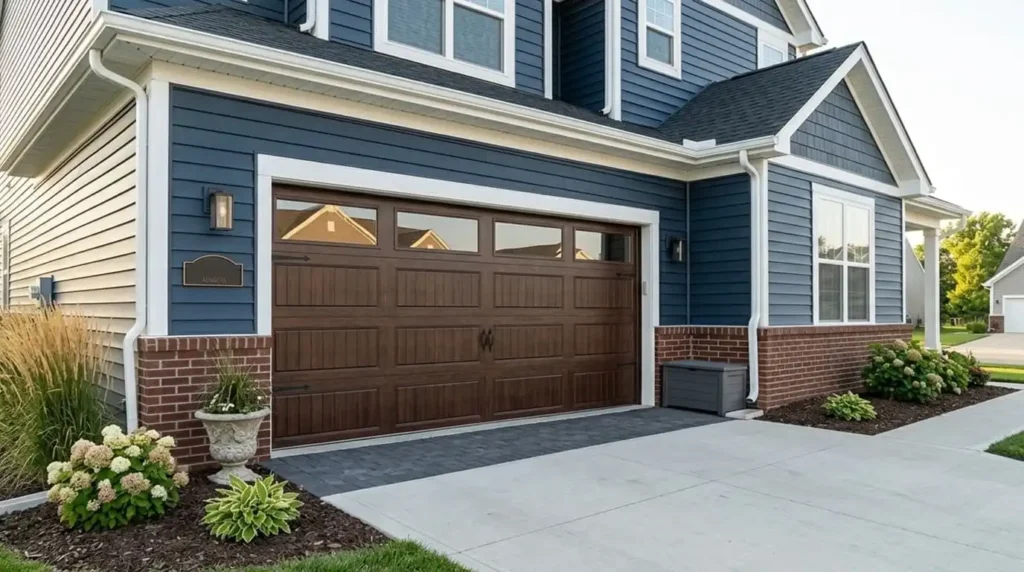
We install new garage doors in steel, wood, aluminum, and insulated composite materials, in raised-panel, carriage-house, and modern flush-panel styles. Every installation includes precise track alignment, torsion spring calibration matched to your door's exact weight, and a full safety inspection before we consider the job finished. We work with Clopay and Amarr for material and style options that fit your home's architecture and your budget.
 Most Common Repair
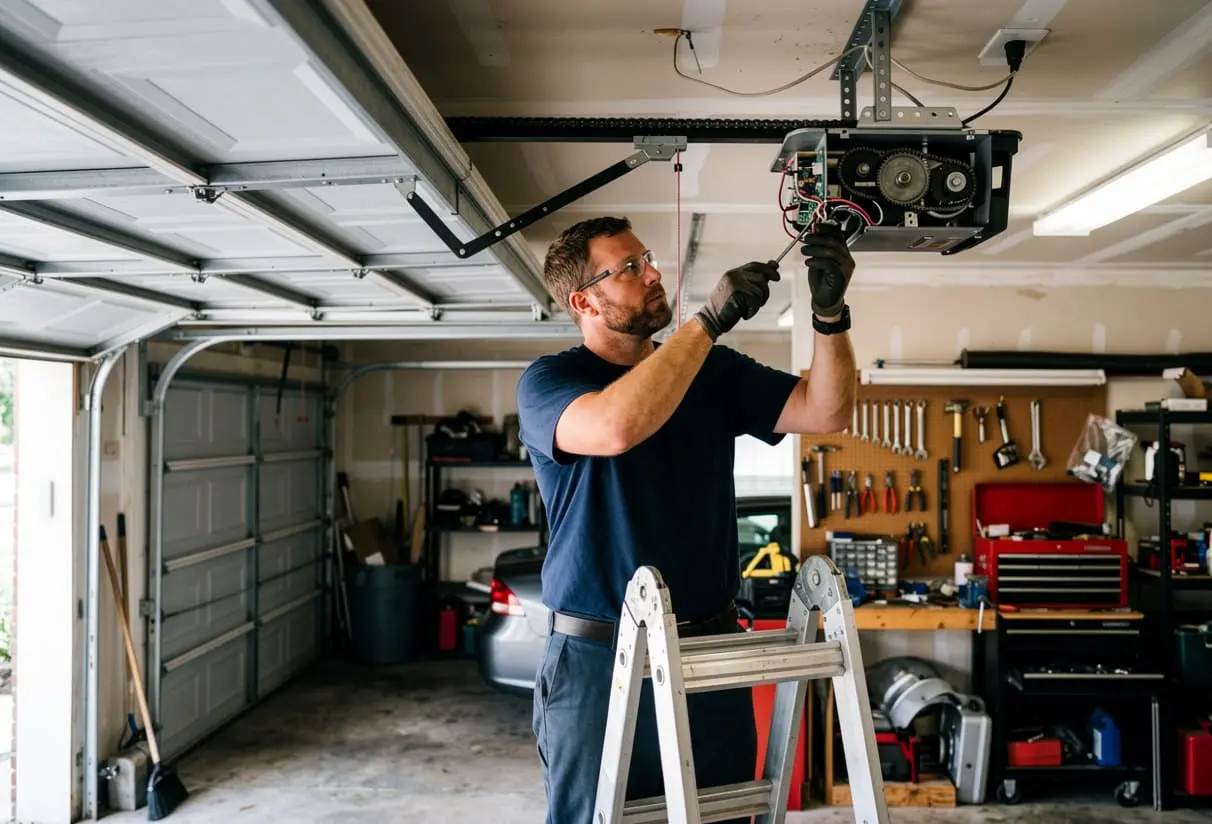
Garage Door Opener Repair
If your opener is grinding, unresponsive, or reversing before the door closes, we diagnose the actual cause, whether it's a worn drive gear, a misaligned photo-eye safety sensor, a failing motor, or a remote that's lost its programming. We repair LiftMaster, Chamberlain, Genie, and Craftsman systems, and upgrade older fixed-code openers to smart, Wi-Fi enabled models with rolling code security when that's what makes sense for your home.
 Full Replacement
Garage Door Replacement
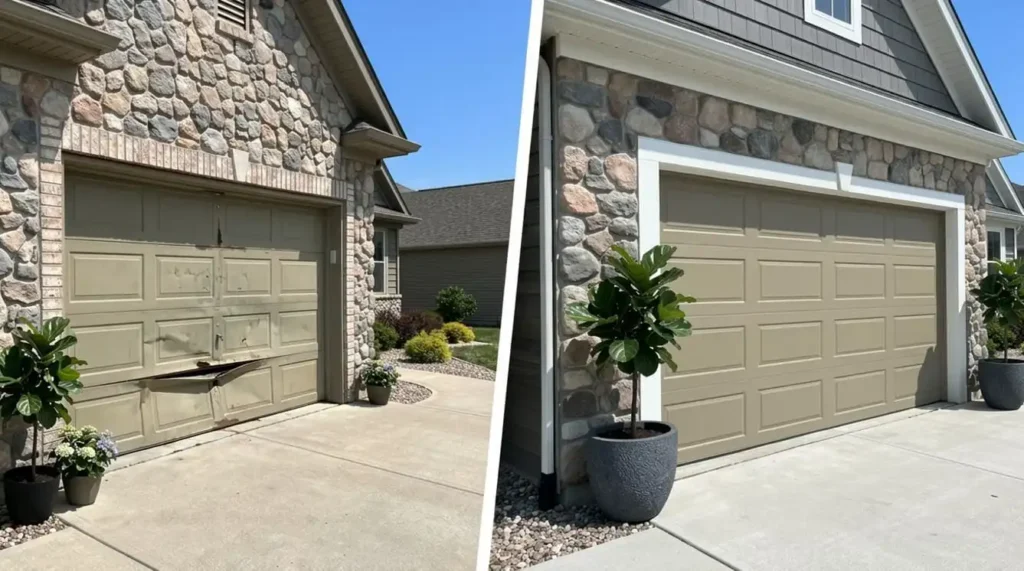
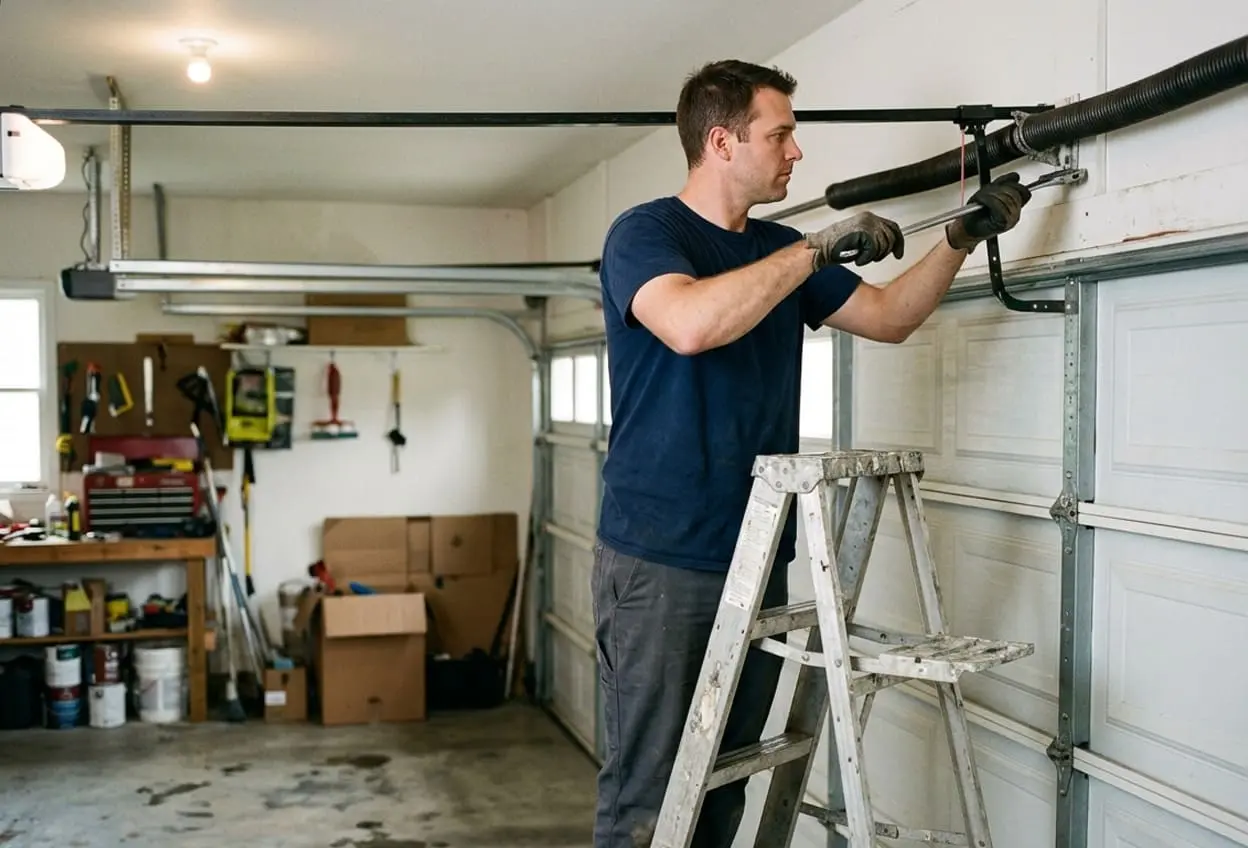
When a door has been repaired more than once or twice in a year, has multiple damaged panels, or has aged past the point where repair still makes financial sense, full replacement is the better move. We remove the old door and hardware, install new tracks and a properly calibrated spring system, and help you choose a material and style that fits your home, with insulated, high R-value options available for better temperature control.
How Much Does Garage Door Repair Cost in Murfreesboro, TN?
Real numbers, not a guess: Garage door spring repair: $150 to $350. Garage door opener repair: $100 to $250. Garage door opener installation: $300 to $600. Cable or roller repair: $100 to $200. Off-track door repair: $125 to $300. Panel repair: $250 to $700. New garage door installation or replacement: $900 to $2,500 or more.
Every price is confirmed on-site, in writing, before any work begins. No add-ons after the fact.
Get Your Exact Price in Writing — Call (615) 706-3471
Is It Better to Repair or Replace My Garage Door?
If your door is under 10 years old and the issue is isolated, a spring, a sensor, a worn cable, repair is almost always the better value. If you've called for repair more than once this year, or your door is older, poorly insulated, and showing rust or damage in multiple places, replacement usually saves money over continuing to patch it.
We'll give you an honest read on which situation you're actually in.
Not Sure Which You Need? We'll Give You a Straight AnswerWhat Are the Warning Signs You Need Garage Door Repair?
Your garage door usually shows warning signs before it breaks completely. Watch for these problems:
- Loud grinding, popping, or scraping sounds during operation
- The door opens or closes unevenly, or hangs crooked on one side
- The remote or wall switch stops responding
- Visible rust, bends, or gaps in the door or tracks
- The door feels heavy or moves slower than it used to
- A spring that looks stretched, rusted, or already snapped
- The door reverses before it fully closes
Any of these is worth a call before it becomes a bigger, more expensive repair, or an unsafe one.
Notice One of These Signs? Get It Checked Before It Gets Worse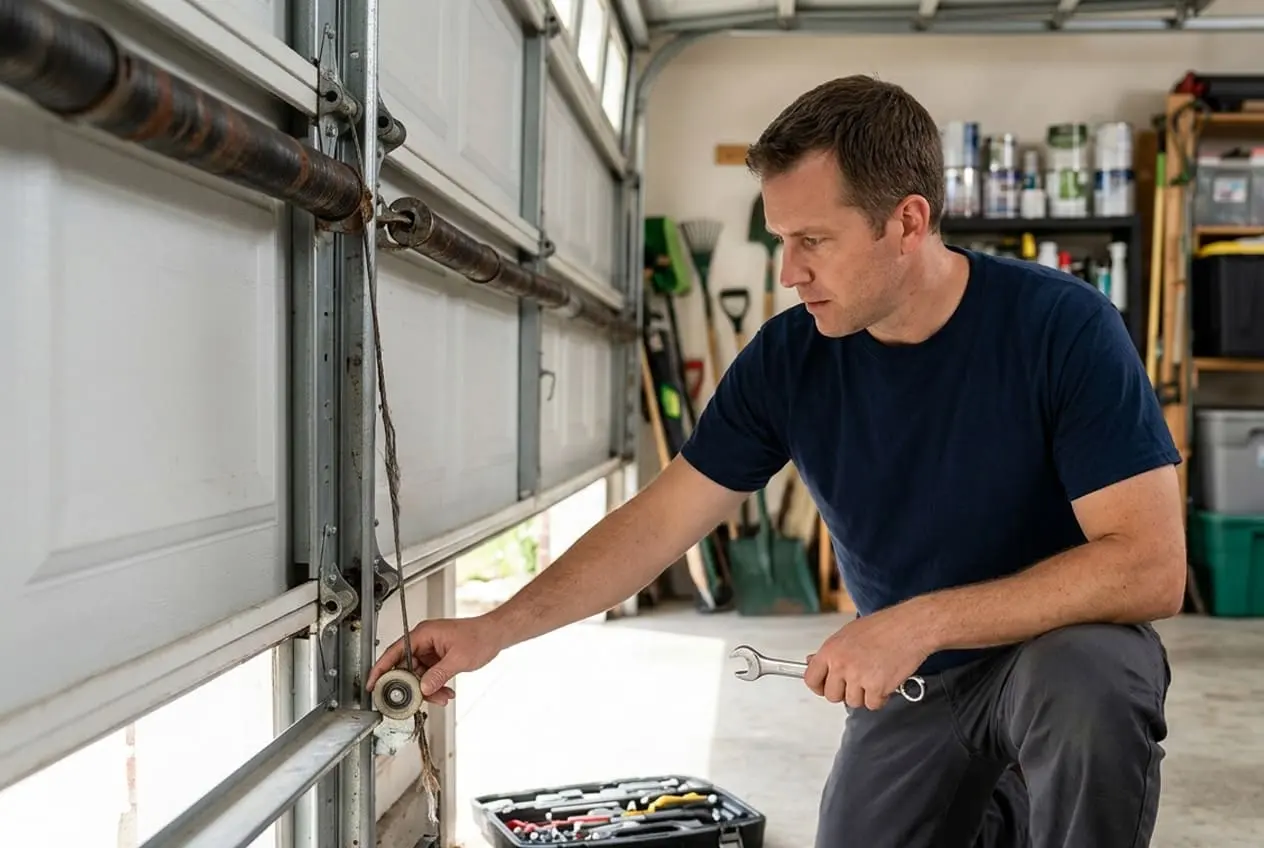
Why Do Murfreesboro Homeowners Trust Us?
We tell you the price before we start, not after. We explain what's actually wrong with your door in plain language, not a sales pitch dressed up as a diagnosis.
Every technician is licensed and insured, and every repair and installation is backed by a workmanship warranty on top of any manufacturer coverage. That's what we can promise you, and it's what we actually deliver.
See Why Homeowners Choose Us — Call (615) 706-3471